From Kudu Dung Spitting to Horn Trumpets: How Antelopes Shaped African Cultures
At some point, while reading about rural life in southern Africa, I realised I was no longer sure whether I was reading anthropology or a dare. Because there it was, casually mentioned: people competing by spitting dried kudu dung. Not as a joke. Not as a myth. Just… a thing people do.
And once you get past that detail (which may take a moment), you start noticing something else. Antelopes turn up everywhere in daily life: in competitions, instruments, chants, beliefs, and small personal objects. Sometimes with deep meaning. Sometimes with absolutely none.
Let’s check out these ‘unique’ customs!
Kudu Dung Spitting in Rural South Africa and Namibia
I first came across kudu dung spitting while reading about hunting and farming communities in South Africa and Namibia, and I genuinely assumed someone was exaggerating.
They weren’t.
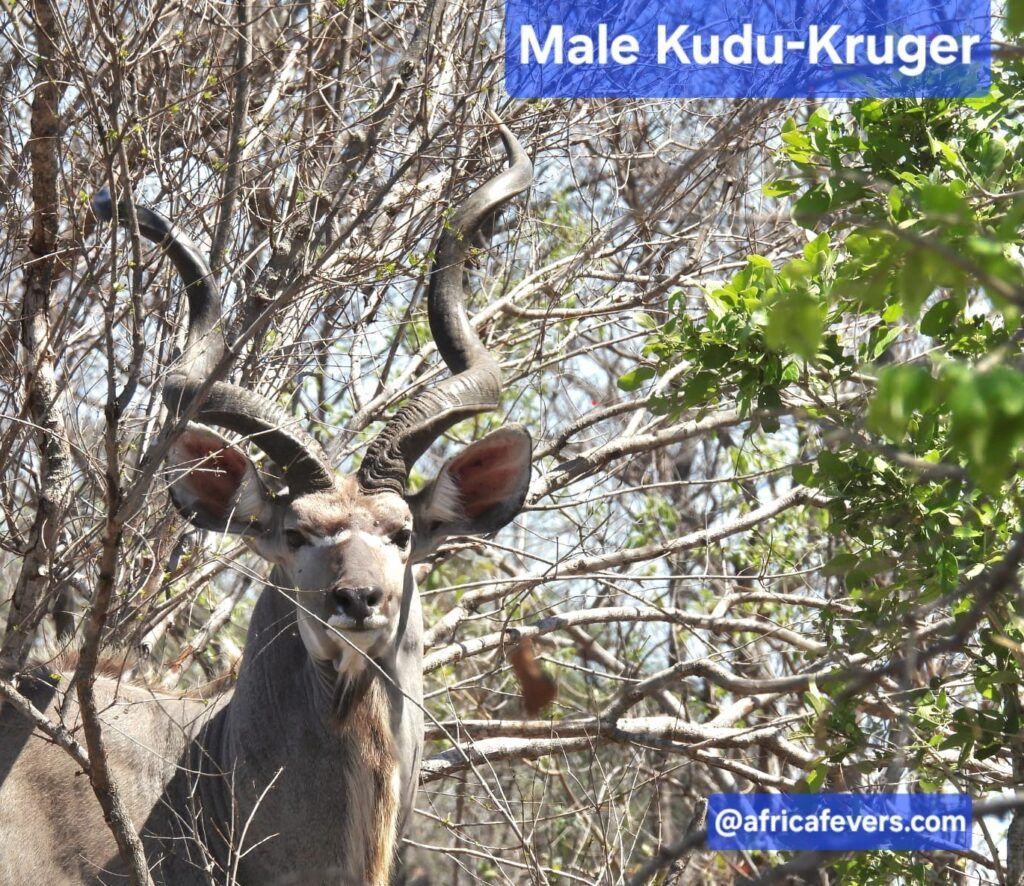
In certain rural communities, dried kudu dung is used in informal spitting competitions during social gatherings. The dung isn’t picked at random. It needs to be properly dried, compact, and, according to people who take this seriously, shaped well enough to fly.
This isn’t a ritual. It isn’t symbolic. It doesn’t come with a backstory about ancient beliefs. It exists because someone once tried it, other people joined in, and now it’s a known thing. No explanation required.
Antelope Horns That Became Trumpets
Antelopes also show up in much more practical ways.
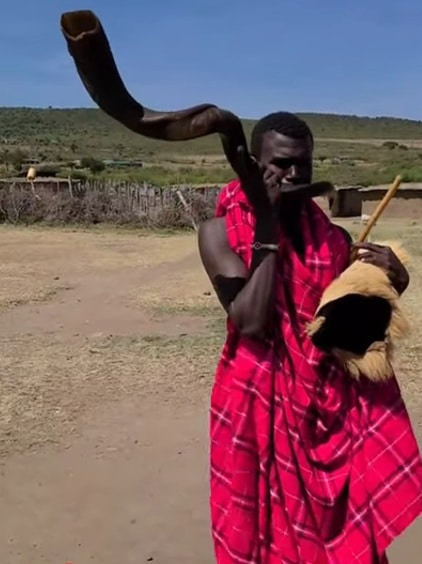
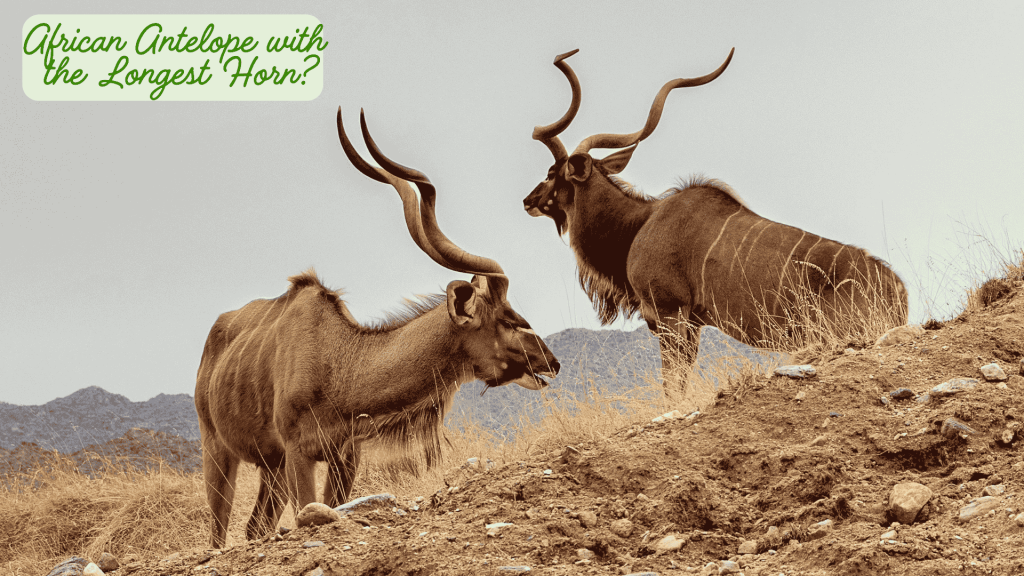
In parts of Zimbabwe, Botswana, and northern South Africa, large antelope horns, especially from kudu and sable, were traditionally used as trumpets or signal horns.
The shape does most of the work. Long, hollow, slightly curved. Blow into one, and you get a deep sound that carries much farther than shouting ever would. These horns were used to announce gatherings, mark important moments, or signal across distances.
Once prepared, a horn could stay in use for years. In a very practical sense, the antelope didn’t disappear after the hunt; it just changed jobs.
Antelopes in Zulu Chants and Praise Poetry
In KwaZulu-Natal, antelopes appear regularly in Zulu hunting chants and praise poetry.
What’s striking is what they’re praised for. Not size. Not strength. Speed, alertness, and the way they move through the landscape. Being compared to an antelope is a compliment: it suggests awareness and control, not brute force.
These chants were never written down. They survived because people remembered them, repeated them, and adjusted them slightly each time. Antelopes stayed in the language because they stayed relevant.
The Eland and the Idea of Endurance
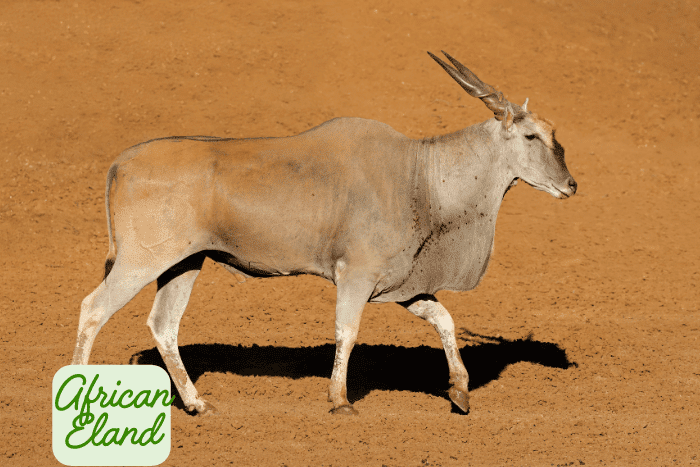
The eland occupies a very different role.
Among San communities and other Indigenous groups in Botswana and Namibia, eland are associated with endurance. They move calmly, cover long distances, and rarely seem bothered by conditions that exhaust everything else.
From watching this came the belief that consuming eland fat could transfer some of that endurance to humans. Sometimes this was understood symbolically, sometimes more literally.
Duiker Horns and Quiet Personal Beliefs
Not all antelope traditions are public.
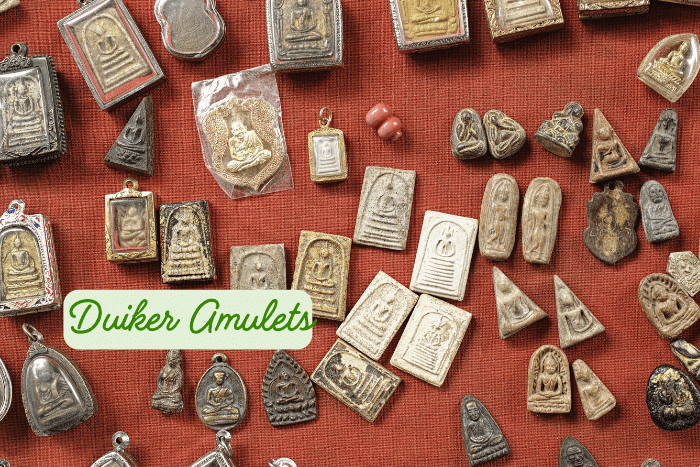
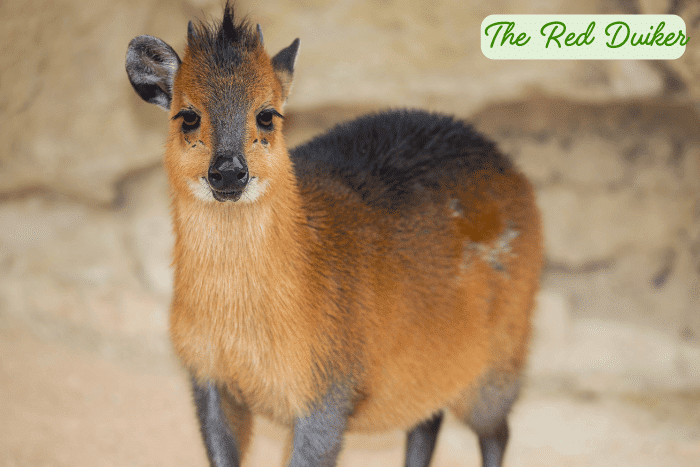
In parts of Zimbabwe and South Africa, and further north into central Africa, horns from small antelopes like duikers were sometimes used in personal amulets.
Duikers are small, quiet, and extremely good at disappearing. Those traits became associated with protection and awareness. The amulets were usually kept private; not displayed, not discussed much, and not part of large ceremonies.
My Final Conclusion.
People lived alongside these animals for generations. They watched them closely. They learned from them. They joked about them. They reused what they could.
That’s how antelopes ended up everywhere: in chants, in instruments, in endurance beliefs, and, occasionally, in spitting competitions no one bothers to justify anymore. 🙂
Happy travels! And if you dare to go kudu dung spitting, let me know in the comments below!
Who am I? Well, the least you can say is that I am quite crazy about Africa, its nature, its climate, its culture, and more.
As a young woman in my twenties, I had already traveled to several African countries by traveling along in an overlander on my own and mostly camping ( or glamping ) and just fell in love with the diversity of it all.
So much, so that at the age of 26, I went back to university to study biology, which, unfortunately, I couldn’t finish because of health reasons (yes, I got sick from a tropical disease, oh cynicism). But this did not stop my dream of traveling back to Africa several times, and I still do.
My dream was back then to leave Europe and go study animal behavior, especially the elephants (sure, that’s every girl’s dream haha), but I am also very much intrigued by hyenas and other “ugly African animals“.
So, I “kind of” have a little bit of a scientific approach to my articles, when I write about African birds, for example. And most of all: the passion.
But life goes on, you move from one side of the country to the other, you get sick again and top it off with lower back problems, and before you know it, you are over 50 hahaha!
Now, I still travel to Africa, but take it a bit “easier” than the good old camping days, and stay in comfortable, yet affordable accommodations, together with my husband Wouter.
These are some of the countries I have traveled to: Kenya, Tanzania, Zanzibar, Malawi, Zambia, Zimbabwe, South Africa, Namibia, Botswana, Tunisia, and a little bit of Lesotho LOL .
While clearly not being African territory, but Spanish, I also visited Gran Canaria and Tenerife, and location-wise, I consider them “African”, because of their climate and nature, sue me :-p
The last trip I took was to South Africa in the year 2023, and it sure got the fevers for Africa back! From the Barberton mountains to the Drakensberg and the Southcoast, one month wasn’t enough at all to see the whole country, so we’ll be back! At ease and with a little bit more luxury than in my younger days haha!