Most people think of nature documentaries as serious or intense, but the savanna is actually full of weird comedy. You might be surprised by how goofy some of these creatures behave when they are just being themselves. This list of 15 funny African animal facts shows a side of the wilderness that you usually do not see on TV. Get ready to laugh at some truly strange habits.
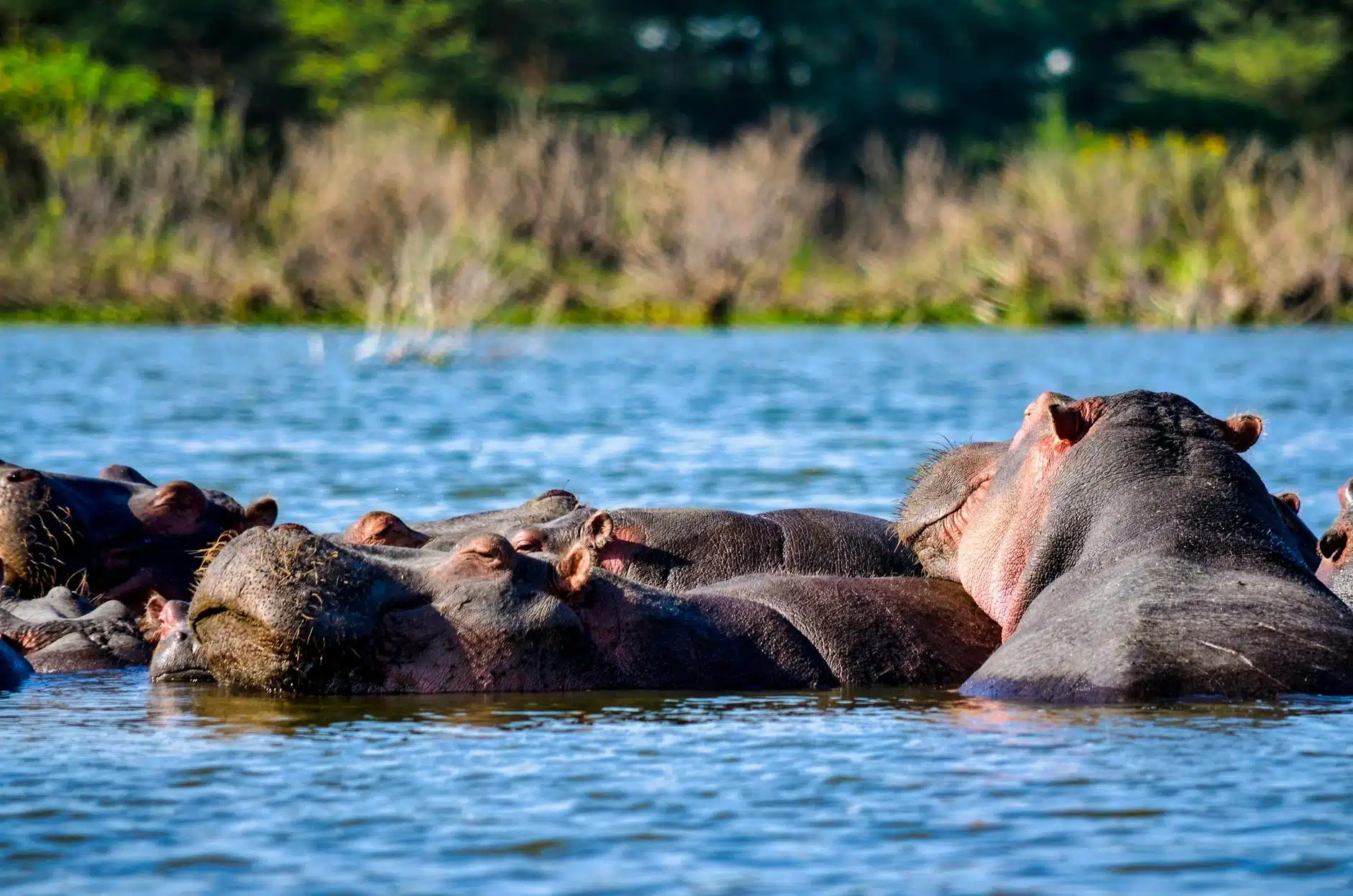
Sunburns are a nightmare for any creature living under the intense African sun, but hippos can’t exactly carry around a bottle of SPF 50. Their skin is incredibly sensitive and prone to drying out or cracking if they stay out of the water too long.
To survive the heat, their bodies produce a thick, oily secretion that eventually turns a bright blood orange or pink color. This substance isn’t actually sweat or blood, but a specialized mixture of pigments that acts as a natural antibiotic and sunblock.
The pink tint comes from two specific molecules, hipposudoric acid and norhipposudoric acid, which absorb harmful UV rays. These acids also stop bacteria from growing on the hippo’s skin, which helps them heal quickly after getting into scrap with a rival.
It acts like a built-in pharmacy that keeps their skin moist and germ-free while they lounge on riverbanks. Without this pink ooze, these massive animals would likely suffer from infections and severe skin damage every single day.
2. Giraffes Hum Weird Songs
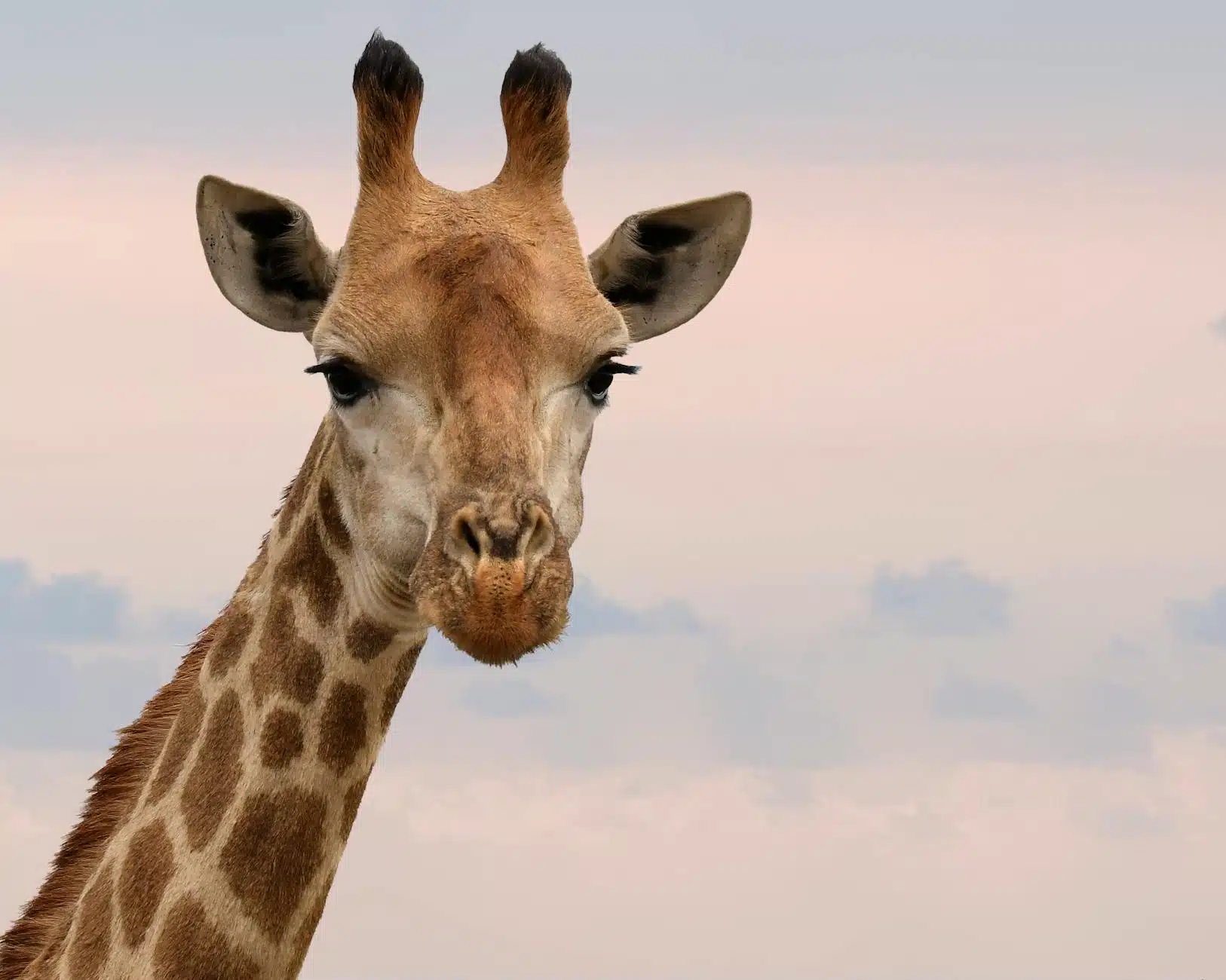
Imagine you’re camping in the savanna and hear a low, rhythmic buzzing sound coming from the trees. You might think it’s a swarm of bees or a distant engine, but it’s actually just a group of giraffes having a midnight chat. Scientists used to think these giants were mostly silent, but they actually produce a low-frequency hum that only happens after the sun goes down.
Feature
Daytime Sounds
Nighttime Humming
Volume
Almost silent
Low and steady
Audibility
Barely heard by humans
Clear in quiet air
Purpose
Visual signals
Keeping the herd together
Researchers spent hundreds of hours recording zoo animals to finally capture this acoustic behavior. The sound is a rich, harmonic drone that sits right at the edge of what human ears can pick up. It’s likely that they use these songs to stay in contact when they can’t see each other in the dark.
While we once thought they were the quiet neighbors of the wild, they’re actually quite vocal. This humming is distinct from the occasional snort or grunt they make when they’re annoyed. It turns out that being the tallest animal around doesn’t mean you can’t carry a tune under the stars.
Elephants are one of the few species on earth that can actually recognize themselves in a mirror. While most animals think their reflection is a rival and try to fight it, elephants use mirrors to check out parts of their bodies they can’t usually see.
In a famous study, researchers painted a white mark on an elephant’s head that was only visible in a reflection. Instead of attacking the “other” elephant, the animal spent time touching the mark on its own face with its trunk.
This shows a level of self awareness that is incredibly rare in the animal kingdom. They aren’t just reacting to motion, but are genuinely curious about their own appearance.
4. Warthogs Pray While Eating
Warthogs have a funny habit of dropping to their front knees whenever they find a patch of tasty grass. From a distance, it looks exactly like they are bowing their heads in a silent, midday prayer.
This isn’t actually a religious ritual, but a clever physical adaptation. Their necks are incredibly short and stiff, making it nearly impossible to reach the ground while standing on all fours.
By kneeling, they bring their snout directly to the dirt to root for bulbs and tubers. This specialized posture also helps them stay safe and efficient while they graze.
The skin on their knees is covered in thick, calloused pads to prevent scrapes from rocks and thorns.
Staying low to the ground keeps their profile small, making it harder for lions or leopards to spot them in the brush.
They can actually scoot forward on their knees quite quickly, allowing them to vacuum up grass without standing up.
It is a practical solution for a bulky animal that just wants to eat its lunch without straining a muscle.
5. Cheetahs Need Cuddle Buddies
Have you ever seen a cheetah at a zoo and noticed a random golden retriever hanging out in the enclosure? It looks like a mistake, but these high speed cats are actually incredibly anxious by nature. They get stressed out so easily that they often forget how to socialize or even mate.
To fix this, conservationists pair cub cheetahs with support dogs. The dogs act as a calm influence, showing the cats that there is no reason to freak out over every little noise. Since dogs are naturally confident in public spaces, the cheetahs follow their lead and relax.
It is basically a buddy system where the dog provides the emotional stability the cat lacks. They spend their days playing, napping, and eating together like they are from the same litter. This bond usually lasts for their entire lives.
Without their canine best friends, many captive cheetahs would spend their time hiding or pacing. Watching a 70-mile-per-hour predator snuggle up to a floppy-eared lab is pretty funny.
6. Hyenas: Confusing Gender Roles
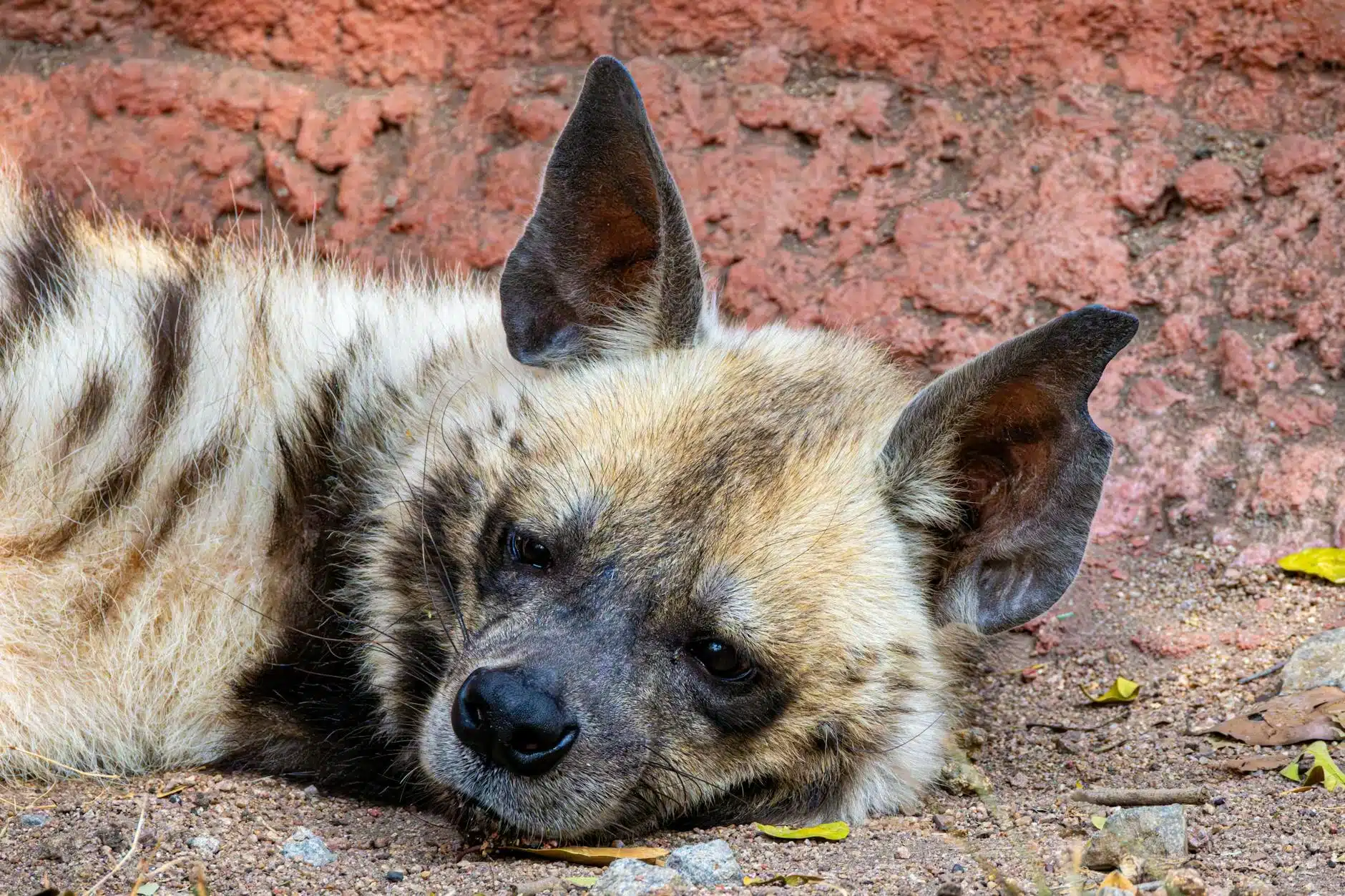
Female spotted hyenas are the bosses of the savanna, and they have the physical traits to prove it. They are significantly larger and more aggressive than the males, which keeps the social hierarchy strictly matriarchal.
The most baffling part of their biology is the female pseudo-penis. It makes identifying their gender nearly impossible for casual observers since the females look almost exactly like the males from a distance.
The highest-ranking male in a clan still sits below the lowest-ranking female in the social order.
Female hyenas produce high levels of testosterone, which contributes to their dominant size and behavior.
Giving birth is a dangerous process because the cubs must pass through the narrow birth canal of the pseudo-penis.
Even the youngest female cubs get priority at a kill, often pushing adult males aside to eat first.
This setup means males spend most of their lives trying to stay on the good side of the ladies. It’s a total reversal of what you usually see in the animal kingdom, and it makes for some chaotic family dynamics.
7. Rhinos Share Toilet Spots
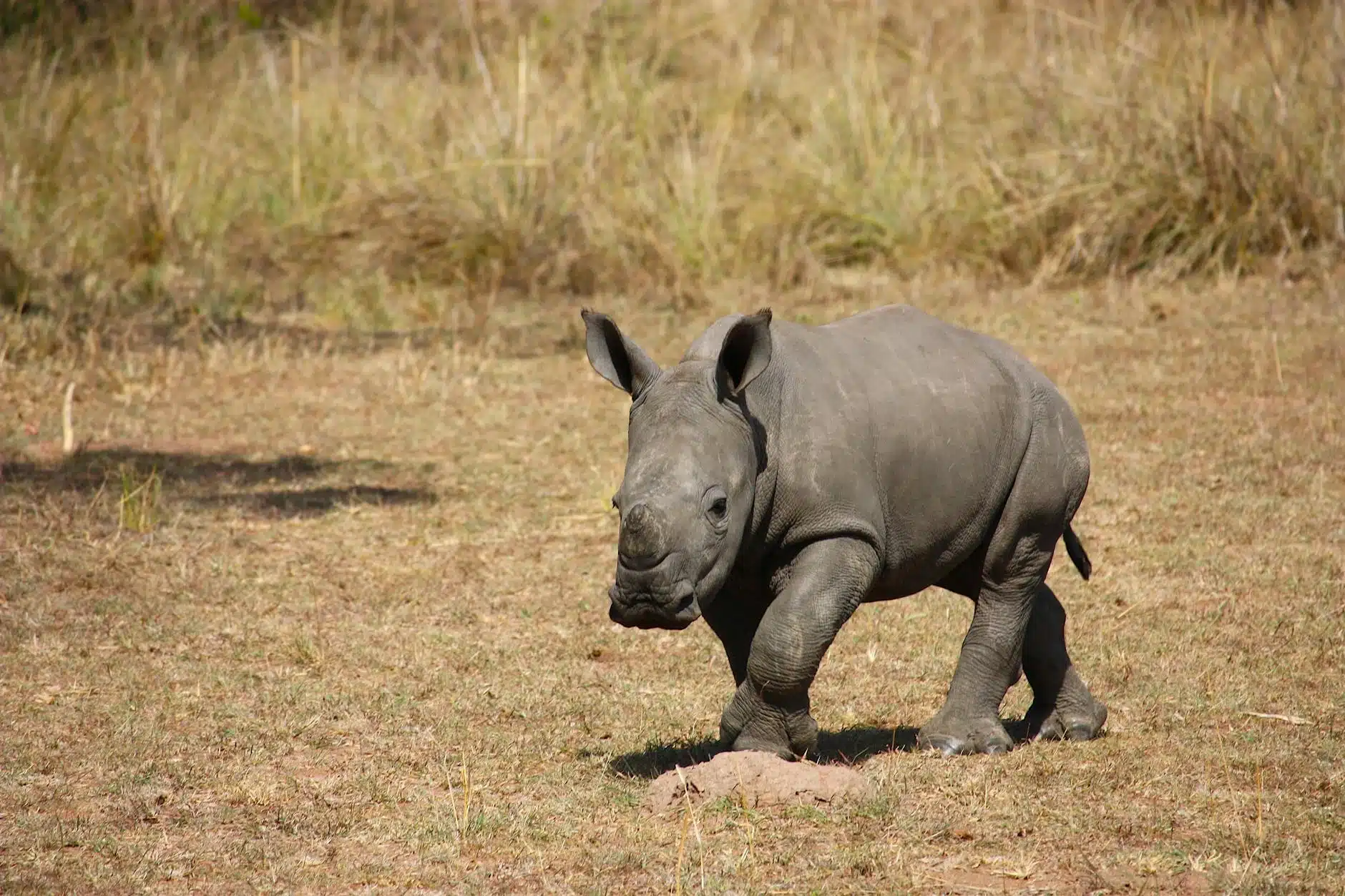
Most animals prefer to do their business in private, but rhinos actually create massive communal bathrooms called middens. You might think they’d want to keep their territory clean, but these piles can grow to be several yards wide and are used by dozens of individuals.
If you compare this to the solitary habits of a leopard, it seems gross. However, these piles act like a local social media feed where rhinos can sniff out who has been in the area or if a potential mate is nearby. It is a very efficient way to trade information without actually having to meet face to face.
I definitely recommend paying attention to these spots if you are on a walking safari. You will see the rhinos kick their back feet in the dung to spread their specific scent further down the trail. It is a messy strategy, but it works perfectly for a species that has notoriously bad eyesight and relies almost entirely on its nose.
8. Monkeys Yell Different Warnings
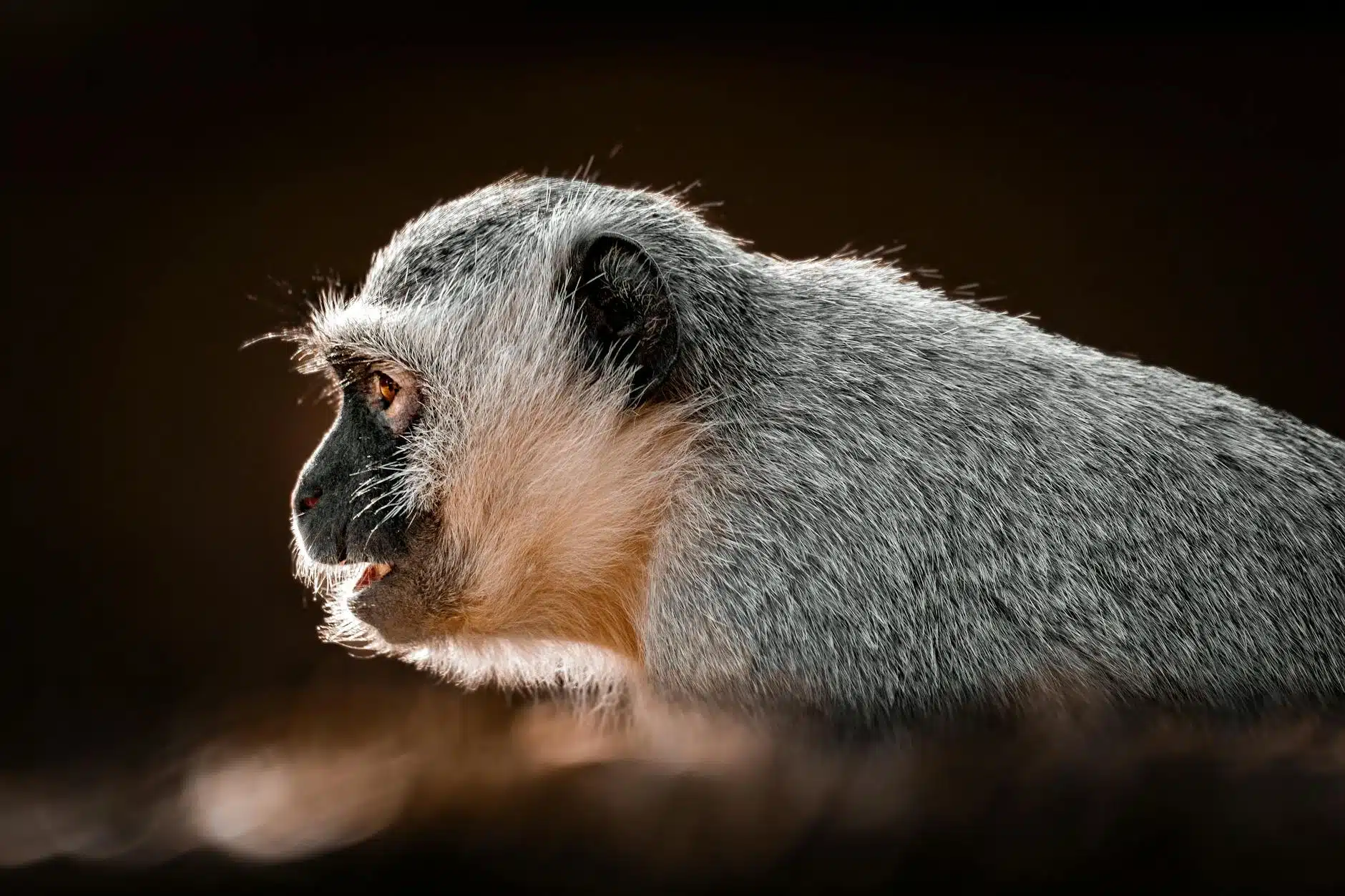
When you see a group of Vervet monkeys, you are watching a highly organized security team at work.
These monkeys have developed specific vocalizations that act as a sophisticated alarm system. They use unique barks for leopards, eagles, and snakes to tell the troop exactly how to hide. If a monkey yells the leopard alarm, the rest of the group sprints to the highest branches where a heavy cat cannot follow.
The hilarious part is how they react to the eagle alarm by looking up and diving into thick bushes. If someone screams the snake warning, they all stand on their hind legs and scan the grass. It is like a high-stakes game of Simon Says where a wrong move means becoming dinner. Watching them switch gears instantly based on a single shout is both impressive and a little bit frantic.
9. Zebras Have Unique Fingerprints
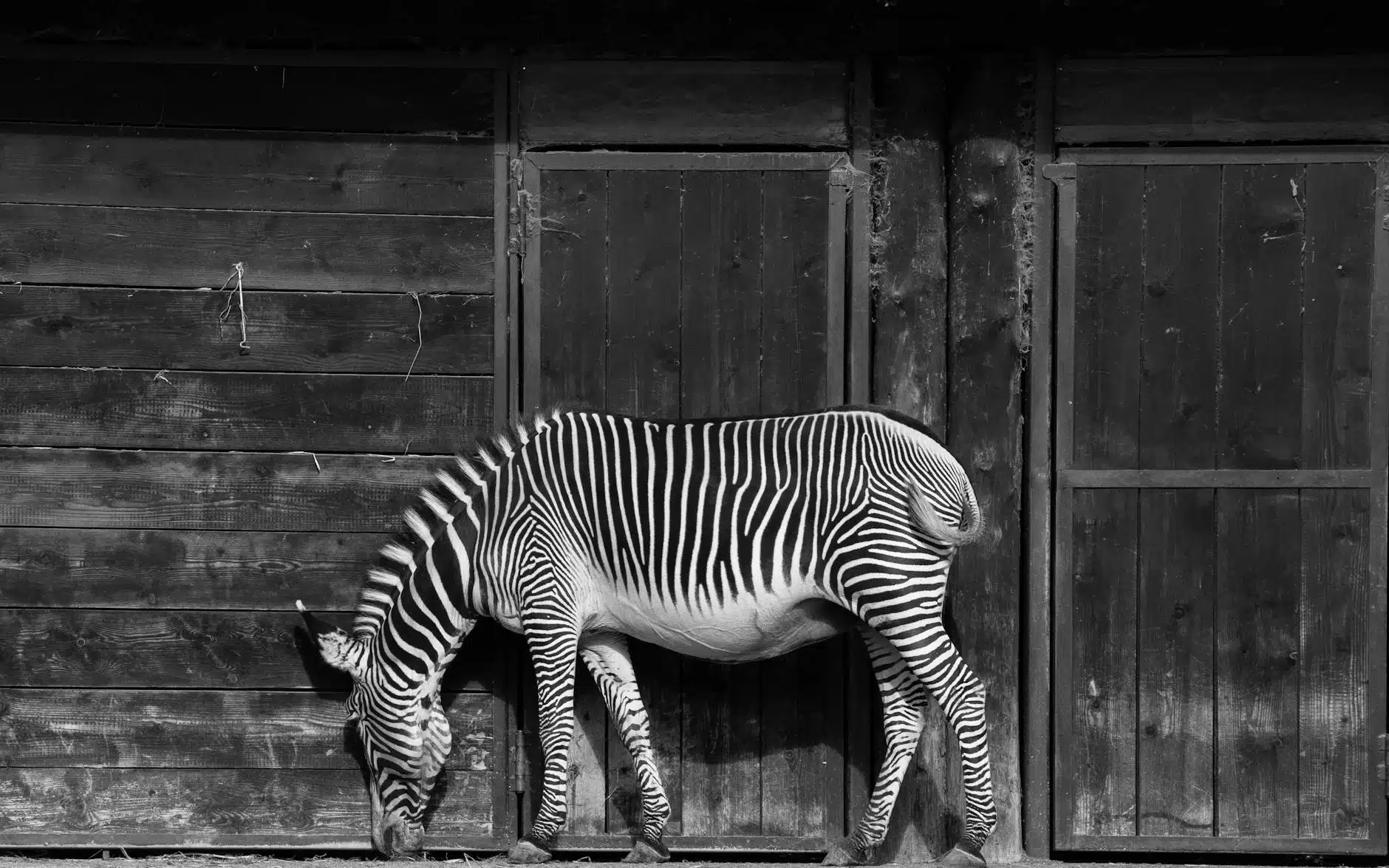
Imagine trying to pick your best friend out of a crowd if everyone wore the exact same black and white striped tracksuit. For zebras, this isn’t actually a problem because those bold patterns are as distinct as a human thumbprint.
Scientists use these markings to track individual animals in the wild without needing to tag them. Even the tiny variations in stripe width and spacing on their necks act like a biological barcode.
Feature
Common Zebra
Human Fingerprint
Pattern Type
Vertical and horizontal stripes
Loops, whorls, and arches
Consistency
Never repeats between individuals
Unique to every person
Purpose
Camouflage and identification
Grip and identification
While a herd looks like a blurry mess of static to a hungry lion, the zebras themselves can spot their family members instantly. It is a brilliant survival tactic that keeps the group together during chaotic migrations across the savanna.
Foals are actually born with brown and white stripes that darken as they age. They spend their first few days staying very close to their mothers so they can memorize her specific pattern before joining the larger group.
10. Meerkats Hire Babysitters
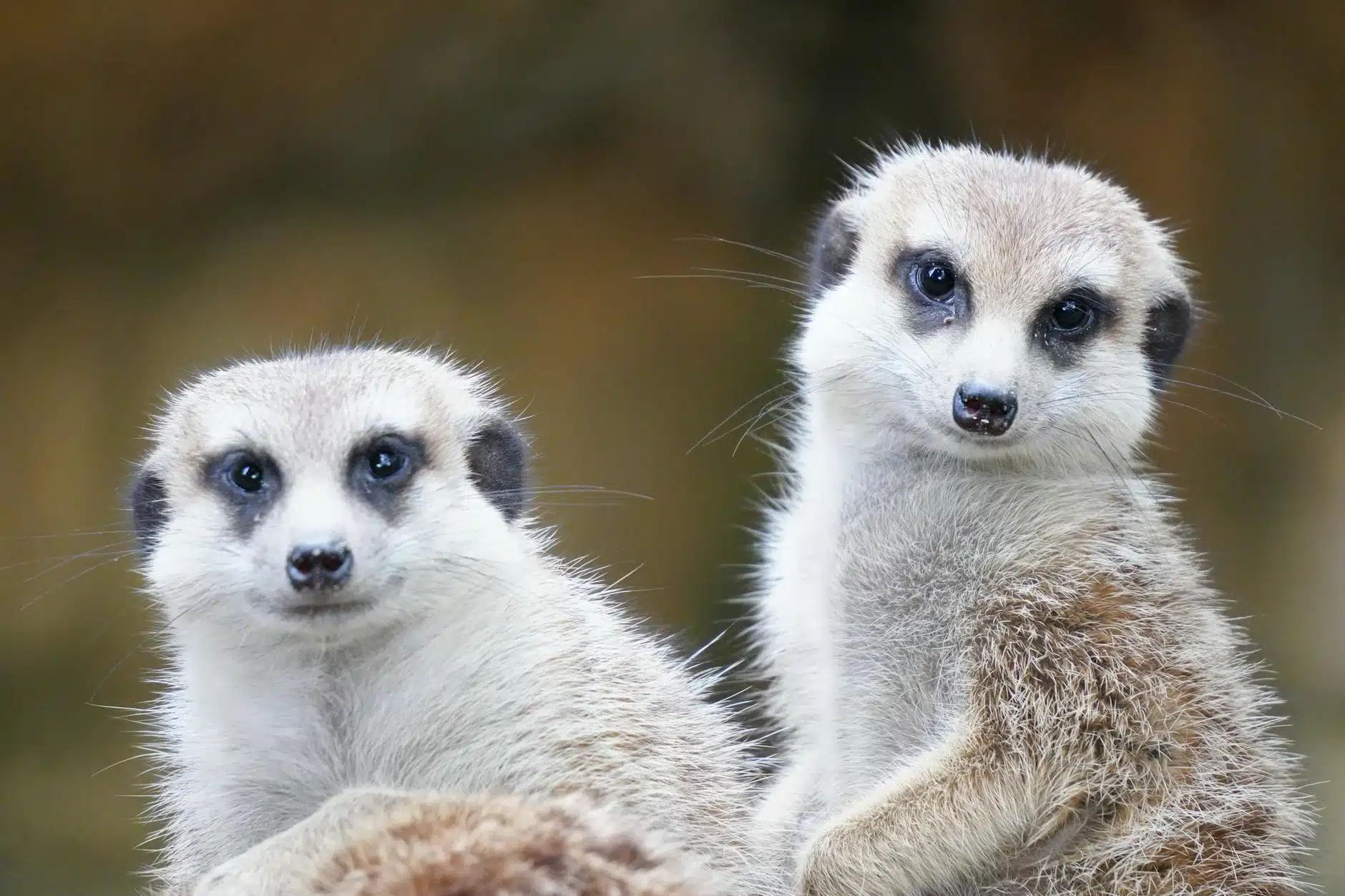
Meerkats have a childcare system that puts most human neighborhoods to shame. Instead of every parent fending for themselves, the mob picks a designated babysitter to stay home with the pups while the rest of the group goes out to forage for insects.
This isn’t just a casual favor since the chosen sitter often goes the entire day without eating a single bite. They take their job seriously, protecting the den from predators and keeping the little ones from wandering off into trouble.
The funniest part is that these sitters aren’t always the parents. Young subordinates often volunteer for the shift to prove their worth to the alpha pair, basically building up their resume before they have their own kids.
11. Pangolins Lick Their Eyeballs
Pangolins actually use their long, sticky tongues to clean their eyes while they dig through dirt for ants. Since they don’t have traditional eyelids like we do, they rely on this 14 inch tongue to sweep away grit and debris.
It looks incredibly goofy, but it’s a necessary survival tactic for an animal that spends its life head first in the mud. Without this built-in wiper system, their vision would be permanently blocked by the dust of the African bush.
Their tongues are anchored near the pelvis rather than the throat.
The thick saliva traps dirt particles instantly before they can scratch the eye.
This grooming happens most often right after a heavy feeding session.
Watching a scaly mammal basically give itself an eyeball bath is one of those weird sights you never forget after a safari.
12. Birds Steal Giraffe Earwax
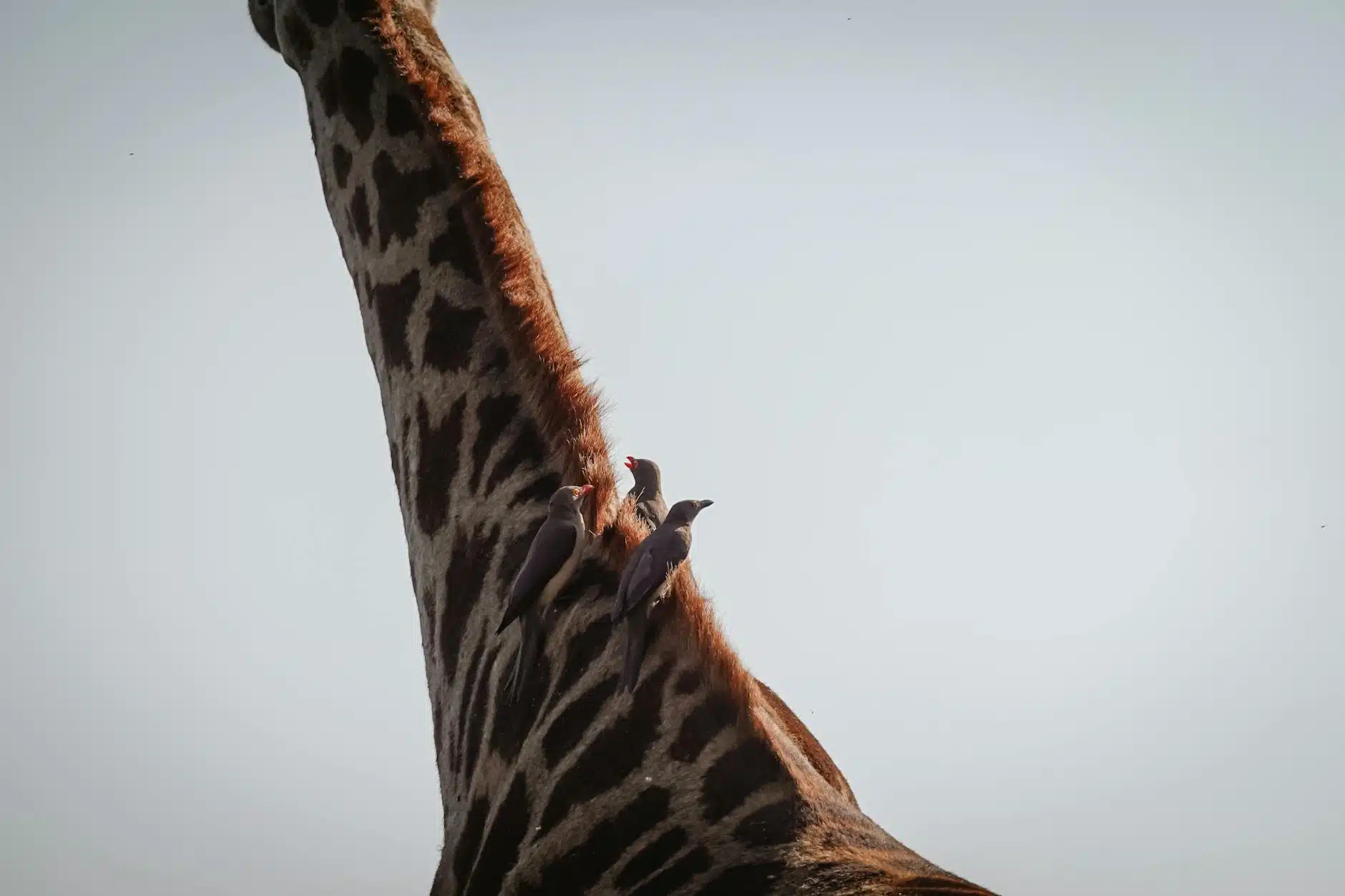
Have you ever looked at a Yellow-billed Oxpeckerand wondered what it’s actually doing inside a giraffe’s ear? It isn’t just hanging out or whispering secrets.
These birds are actually hunting for a very specific snack. They spend a huge chunk of their day digging around for giraffe earwax, which is apparently a delicacy in the bird world.
It sounds pretty gross to us, but the wax is packed with nutrients that the birds crave. They’ll spend minutes at a time with their entire heads buried deep inside the giraffe’s ear canal.
The best part is that the giraffes don’t seem to mind the intrusion at all. They usually just stand there looking bored while the bird performs a deep cleaning service.
While the birds also eat ticks and mites, the earwax is like a high-calorie dessert for them. It’s a weirdly perfect arrangement where the bird gets a meal and the giraffe gets a free q-tip treatment.
13. Dogs Vote By Sneezing
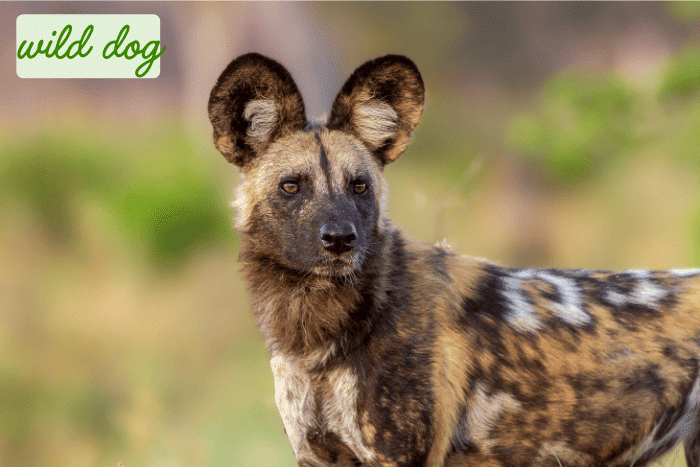
African wild dogs have a social system that’s surprisingly democratic. Instead of one leader barking orders, the pack gathers for high-stakes rallies to decide if they should go out and hunt.
During these meetings, the dogs use a specific sound to cast their ballots. They actually sneeze to indicate they’re ready to move, and the more sneezes that fill the air, the more likely the pack is to start the chase.
The sneeze acts as a literal vote to reach a group consensus before the pack takes any action.
Lower ranking dogs can still win the vote if they manage to get enough peers to sneeze along with them.
Dominant pairs only need about three sneezes to start a hunt, while subordinates need closer to ten to sway the crowd.
This behavior shows a level of group coordination that’s rare in the animal kingdom.
14. Ostrich Kicks Are Fatal
Most people think the biggest danger from an ostrich is getting pecked or tripped by their long legs. In reality, these birds have a forward-facing kick that can exert over 2,000 pounds of pressure per square inch.
You might be tempted to stand your ground and try to intimidate them, but that is a massive mistake. Their feet are tipped with four-inch talons that act like literal daggers, capable of disemboweling a lion or a human with a single strike.
If you ever find yourself facing an angry ostrich, your best bet is to find thick cover or a sturdy tree to climb. Trying to outrun them is useless since they hit speeds of 45 miles per hour, so playing dead or hiding your head in a bush is actually safer than sprinting.
15. Beetles Navigate by Stars
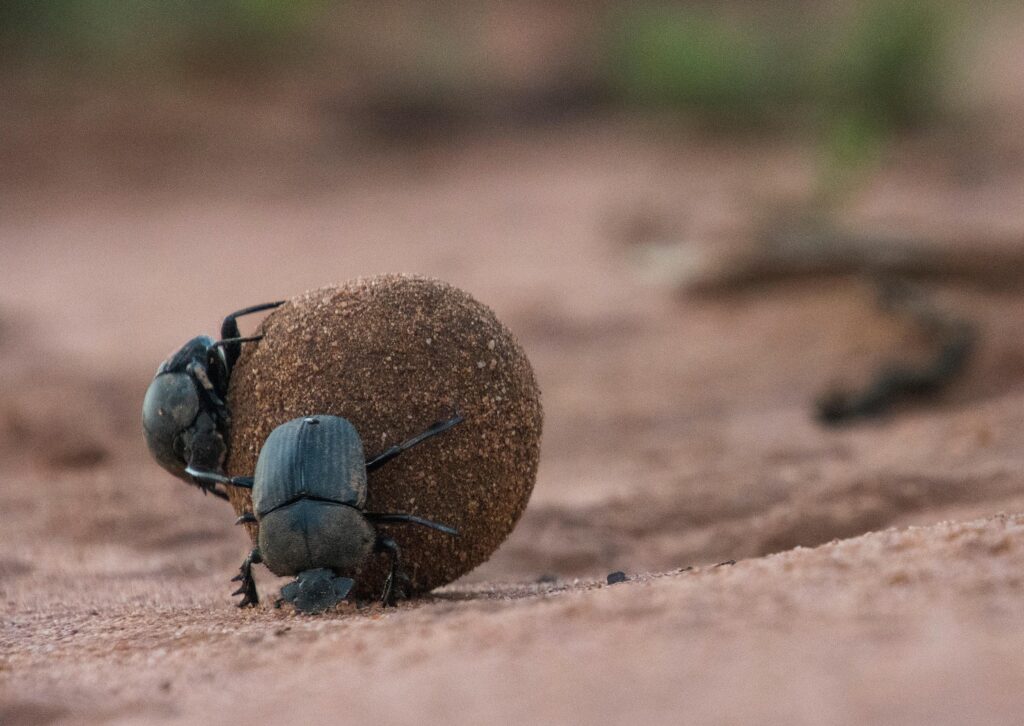
Imagine being a tiny insect trying to protect your dinner while everyone else is trying to steal it. African dung beetles have to move in a perfectly straight line to get away from the chaotic pile before a rival hijacks their prize.
To pull this off at night, these little guys actually look at the Milky Way. They use the soft glow of our galaxy as a compass to keep from accidentally walking in circles. Scientists proved this by putting tiny hats on the beetles to block their view of the sky, which immediately made them lose their way.
It is the only known case of an insect using the stars for navigation instead of just the moon or sun. It is pretty impressive for a creature that spends its whole life rolling around balls of waste.
Wrapping Up
Learning these funny African animal facts shows that nature has a great sense of humor. You now have plenty of weird trivia to share at your next dinner party or social gathering.
Who am I? Well, the least you can say is that I am quite crazy about Africa, its nature, its climate, its culture, and more.
As a young woman in my twenties, I had already traveled to several African countries by traveling along in an overlander on my own and mostly camping ( or glamping ) and just fell in love with the diversity of it all.
So much, so that at the age of 26, I went back to university to study biology, which, unfortunately, I couldn’t finish because of health reasons (yes, I got sick from a tropical disease, oh cynicism). But this did not stop my dream of traveling back to Africa several times, and I still do.
My dream was back then to leave Europe and go study animal behavior, especially the elephants (sure, that’s every girl’s dream haha), but I am also very much intrigued by hyenas and other “ugly African animals“.
So, I “kind of” have a little bit of a scientific approach to my articles, when I write about African birds, for example. And most of all: the passion.
But life goes on, you move from one side of the country to the other, you get sick again and top it off with lower back problems, and before you know it, you are over 50 hahaha!
Now, I still travel to Africa, but take it a bit “easier” than the good old camping days, and stay in comfortable, yet affordable accommodations, together with my husband Wouter.
These are some of the countries I have traveled to: Kenya, Tanzania, Zanzibar, Malawi, Zambia, Zimbabwe, South Africa, Namibia, Botswana, Tunisia, and a little bit of Lesotho LOL .
While clearly not being African territory, but Spanish, I also visited Gran Canaria and Tenerife, and location-wise, I consider them “African”, because of their climate and nature, sue me :-p
The last trip I took was to South Africa in the year 2023, and it sure got the fevers for Africa back! From the Barberton mountains to the Drakensberg and the Southcoast, one month wasn’t enough at all to see the whole country, so we’ll be back! At ease and with a little bit more luxury than in my younger days haha!